Before filming a video advertisement, agree on the versions you need for publication, rather than asking for “one video” alone. Where will it appear, in which orientation, length and language? Does each version carry the same message? These decisions give the production team a clear use case for filming and editing instead of revealing a different requirement after the shoot.
Deliverables are the final video files to be supplied, with a description of each version. This practical guide uses a fictional example to distinguish resizing an ad from rebuilding its story. The example is not an actual MID FILM project or a promise about versions included in a package.
Start with the viewing context and goal
For each use, answer two questions: where will the audience watch, and what should they understand or do afterwards? An introductory website film may need a different explanation from a short product excerpt. If placement is undecided, discuss the expected use with the campaign owner before fixing the delivery list.
Add these decisions to the video ad creative brief. “For social media” is not specific enough: identify intended placements, paid or organic use, and who will provide the current display requirements. Do not assume that every platform or placement accepts the same file.
Resizing is different from shortening a story
Landscape and portrait versions can share an idea while arranging the product, people and text differently. Cropping the sides of a landscape shot may remove a detail that carries the message. Before filming, agree on what must remain visible in each composition and whether a scene needs reframing or an additional shot.
A shorter version also needs a decision about which message to retain, rather than automatically deleting the ending. If the result keeps the offer but loses the product name or next step, revisit the sequence. Discuss these options within the scope of commercial video production so filming, editing and delivery are aligned.
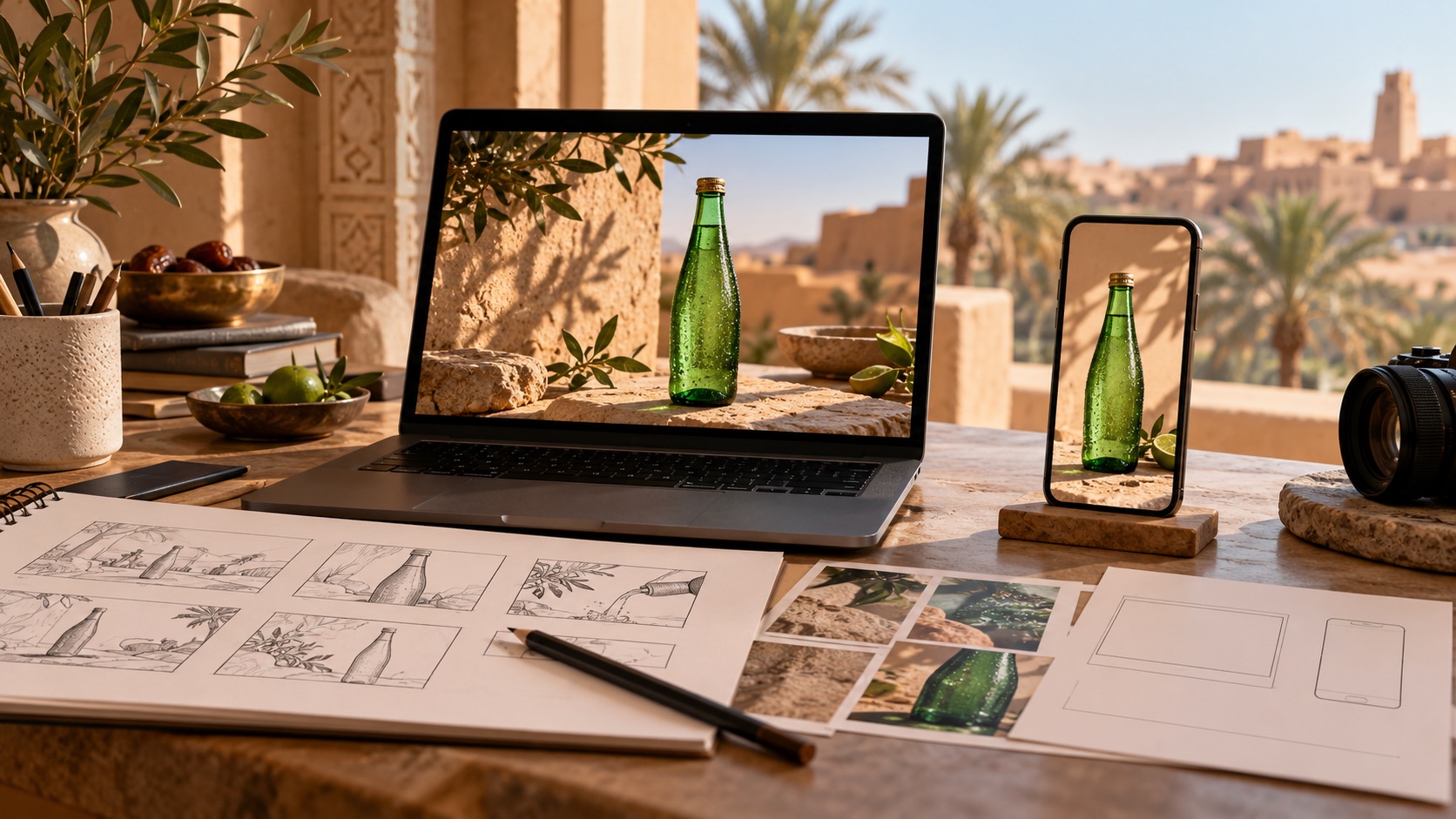
The images are AI-generated educational illustrations. They do not depict an actual MID FILM project, client product or production location.
Give each version a clear description
Name the version by its use, then record its required orientation or dimensions, target length, language, on-screen text and ending. Specify whether you need voiceover, written translation or a version without text. If a requirement is undecided, identify who will resolve it and when rather than leaving the team to assume.
Ask the party responsible for display to supply precise technical requirements, then have the production team review them before delivery. “High quality” alone does not describe a file format or frame size. For example, “portrait 9:16” describes an aspect ratio, not a complete delivery specification.
A fictional example: three versions for a drink launch
Imagine a brand launching a new drink. A proposed delivery list starts with a landscape introduction explaining the idea and product. A shorter portrait version focuses on serving the drink, the product name and a clear ending. A second-language version of that portrait ad may also be needed if that audience is part of the campaign. The number is a planning example, not a fixed recommendation for every project.
Each version raises different questions: is the product name readable, is the action clear within the available time, and does the second language need a different text layout? You may not need to reshoot everything, but neither should you assume every version follows automatically from one file. The decision depends on the footage and agreed deliverables.
Review the example through a storyboard prepared before filming. Mark shared shots and those that require a different composition. This turns a file list into specific filming needs that the team can discuss.
Prepare version differences before the shoot
Tell the team in advance about an alternative line, a different ending or a product that must appear on its own. Ask whether it requires another shot, a separate voiceover recording or additional editing. A new version requested after the plan is approved may affect the scope; review that effect before agreeing to the change.
For projects combining a main film with shorter extracts, include the delivery list in the discussion of film production and execution. The team needs to know what it will supply, who approves text and logos, and when the materials for each version will arrive.
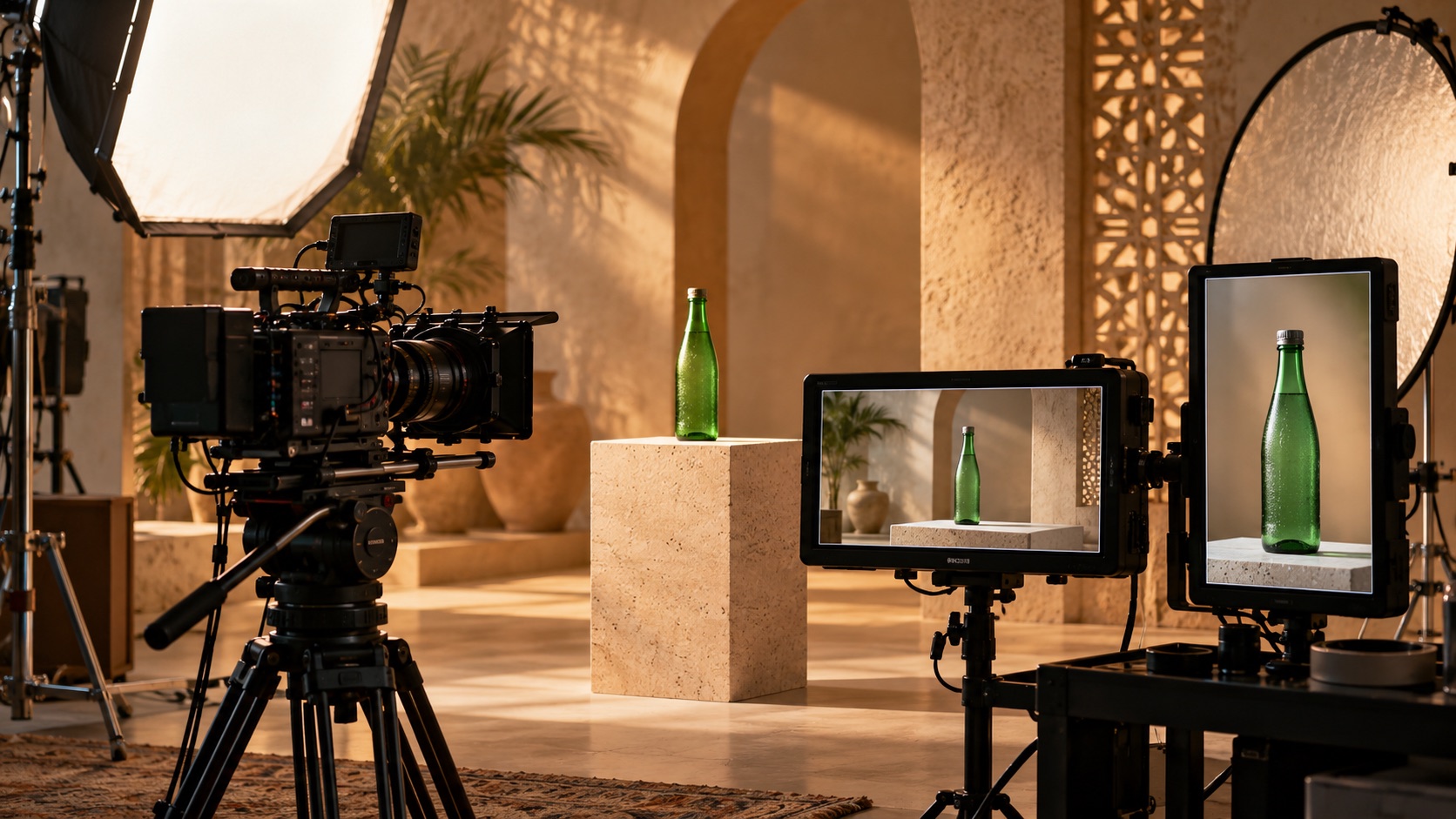
Review each file as a separate version
Open every supplied version by name and check its length, orientation, language, readable text, sound and ending. Watch a phone version on a phone. Approving the main film does not automatically mean you have checked every excerpt, translation or alternative ending.
When a version needs a change, name the file, timestamp and problem rather than commenting generally on the whole delivery. Use the guide to reviewing a first edit and giving clear feedback to tell the team exactly which version you mean and what needs to improve.
A short format for requesting deliverables
For example: “We need a [use] version in [landscape or portrait], with a target length of [length] and language [language]. The main message is [message], and the ending should prompt [next step]. We also need [alternative versions]. The person confirming display specifications is [role], and approval sits with [role].”
You do not need the largest possible file count. Request versions that serve a clear publishing plan and that you can review properly. To organise deliverables for a campaign, contact MID FILM to plan your video production with the intended uses and expected timing.