You have received the first edit of your video ad. Something feels wrong, but your only comment is “make it stronger”. Before sending that note, identify the moment that is not doing its job and what viewers should understand instead. A clearly described problem gives the team a better starting point for discussing a solution.
This is a suggested review workflow with fictional examples, not a report about a MID FILM project or result. There is no fixed number of revision rounds suitable for every production. Your agreed scope of work determines the process.
Establish what the team needs you to review
Ask about the version’s status. Is this a review of the sequence and pacing? Are sound, colour and on-screen text final or temporary? Without that context, one person may be discussing an unfinished grade while the team is waiting for approval of the story structure.
Return to the objective, message and deliverables in the approved video ad brief. Keep them nearby: who is the audience, what should they understand, and what should they do next? Evaluate the edit against those goals rather than a different commercial with another concept and budget.
Watch once without stopping at every detail
Let the video play through on the first viewing. Afterwards, record your overall response: did you understand the product or service, recognise the message and find a clear next step at the end? Establish whether the structure works before adjusting every second.
On the second viewing, return to moments that affected understanding. If the opening is unclear, is essential information arriving too late, is a shot ambiguous, or are the words and picture communicating different messages? Compare the edit with the approved commercial storyboard to understand what changed and why, while leaving room for useful ideas developed during production.
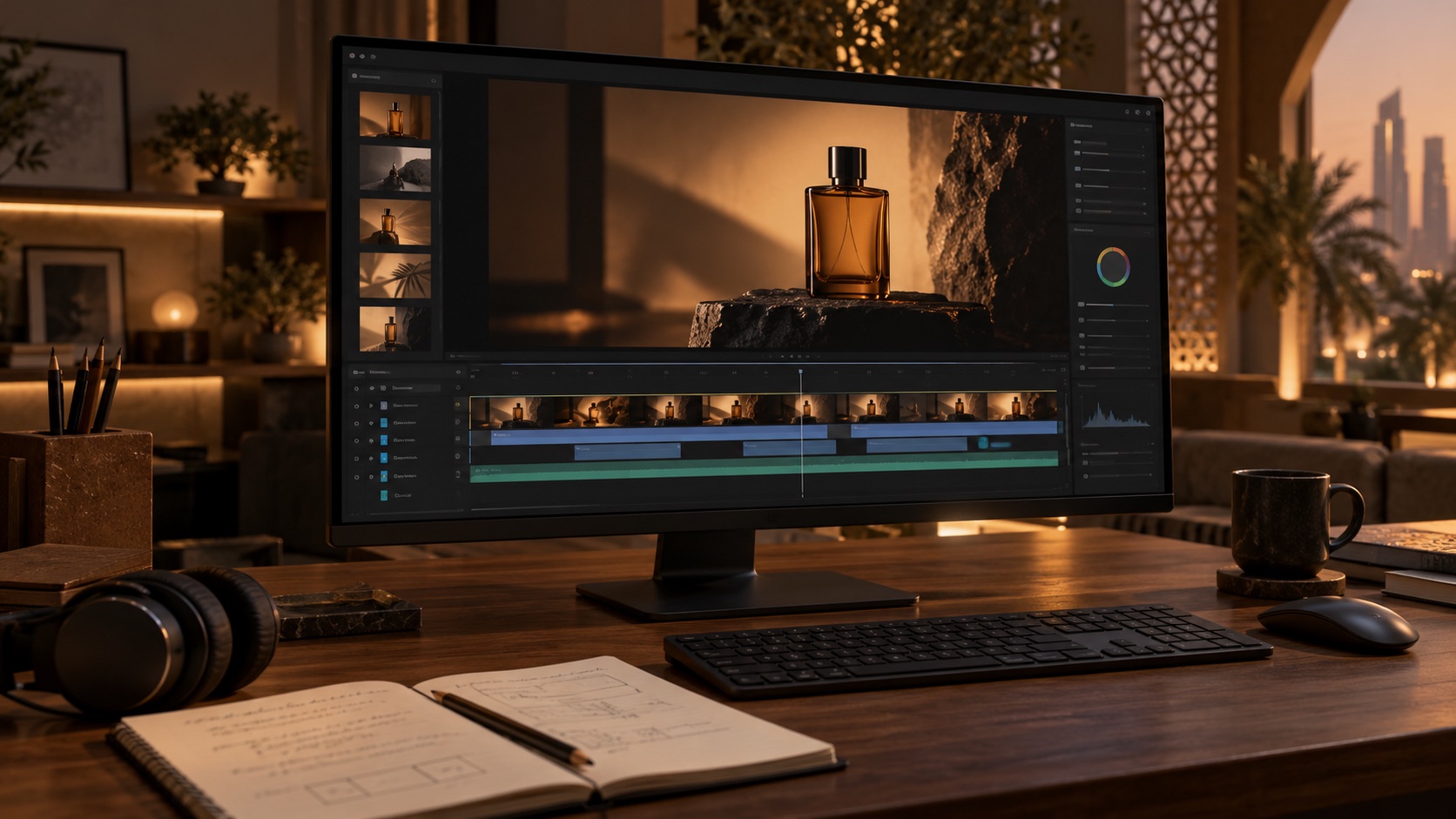
The images in this article are AI-generated educational illustrations. They do not depict a real MID FILM client project or review session.
Write the time, the problem and the intended outcome
Try this structure: “At [time], I noticed [problem]. We need the viewer to understand [intended outcome].” If you have a solution, present it as an option to discuss rather than the only possible approach. This clarifies your intention while allowing the editor and director to choose an appropriate execution.
For a fictional perfume ad, replace “the bottle shot is too long” with “Between seconds 6 and 9, the same view of the bottle repeats without adding information. We need the product name to register before the next scene. Could we try shortening the repetition and review the pacing?” These times are illustrative, not ideal durations for every ad.
Instead of “the sound is bad”, specify whether the narration is difficult to understand, an effect masks a word, or the music does not fit the intended mood. For example: “When the final line appears, the music masks the last two words. We need to hear them clearly.” This identifies an intelligibility issue without inventing a technical level or prescribing a final solution before reviewing the material.
Distinguish errors, preferences and scope changes
A misspelled name or a logo that differs from the approved asset calls for a clear correction. A preference for a quieter transition or alternative shot needs an explanation of how it serves the message. If a note requests a new concept or an additional shoot, discuss its timing and cost implications before approving it.
Not every revision is automatically included, and not every change necessarily costs more. Refer to the deliverables, revision rounds and approval process in the agreed commercial production scope. A specific agreement is more useful than assumptions on either side.
Consolidate the team’s feedback into one version
Appoint someone to collect comments and resolve contradictions before sending them. If one department wants to keep a shot and another wants it removed, agree on the priority or explain the decision that needs discussion. Sending both as simultaneous instructions gives the editor no clear direction.
Number the notes, identify the video version reviewed and separate essential corrections from suggestions. When the next edit arrives, check what changed and what remains unresolved rather than relying on comments scattered across messages and calls. Organising that communication supports the wider film production and post-production process.
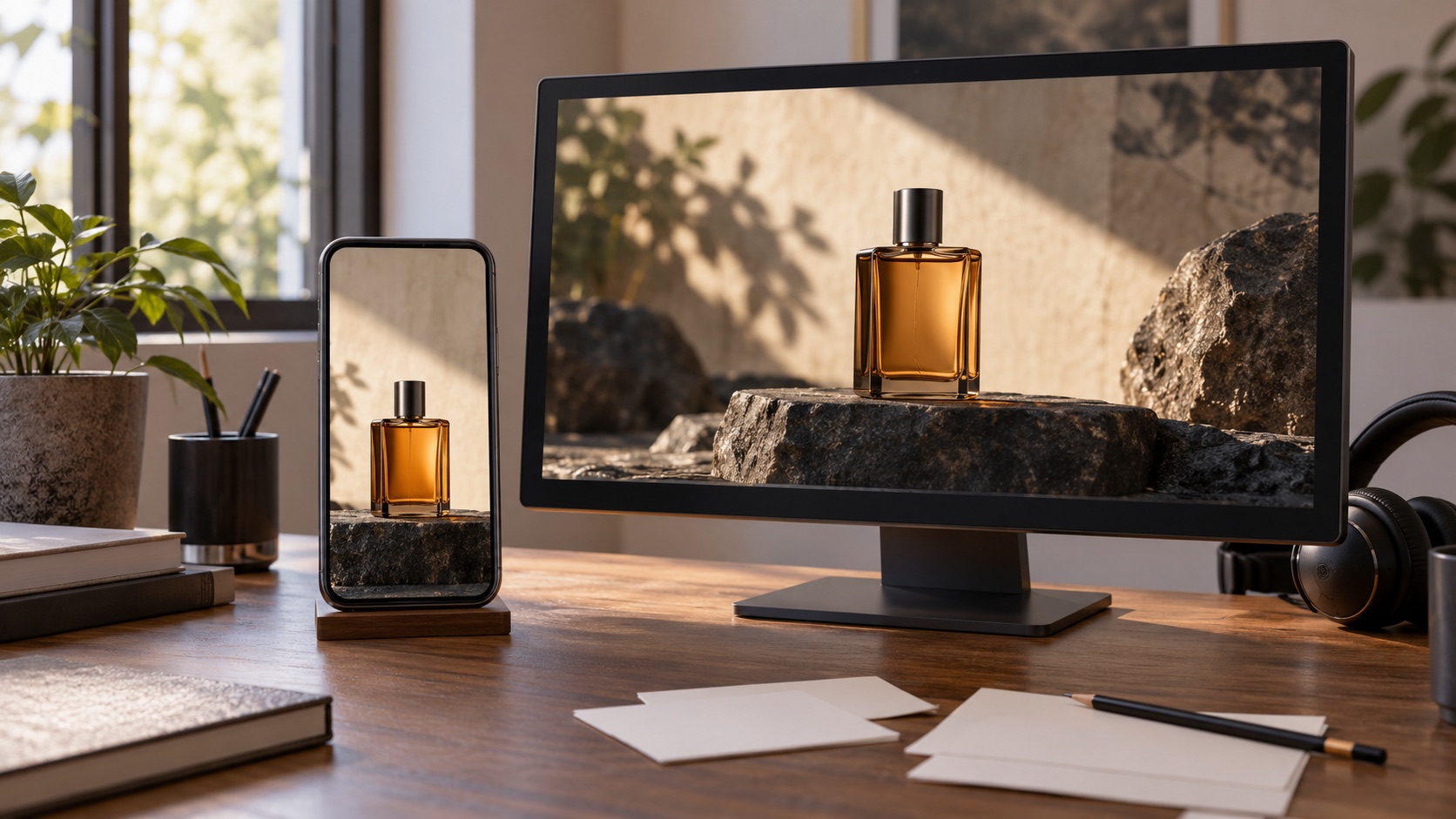
Check the intended format before approval
Open the vertical version on a phone and the landscape version on a suitable screen. Check product visibility, legibility and the next step. Review subtitles and additional language versions individually; approving one version does not mean the others have been reviewed.
Listen through headphones and then a phone speaker, and describe issues precisely. For television or a platform with specific delivery requirements, ask the team to confirm that the final file meets those requirements. An impression formed from a preview does not replace a final-file technical check.
A short review message to adapt
“We reviewed [version name]. The main message is clear, and we have three remaining notes: [time, problem and intended outcome for each]. Our priority before approval is [priority]. This feedback has been consolidated by our team, and the decision-maker is [name or role]. Please clarify the implications of any request outside the agreed scope before proceeding.”
Adapt this to your actual review. Do not say the message is clear if it is not. If you are planning a new ad and want to agree on review stages and deliverables early, discuss your project with MID FILM. Include the objective, timing and required versions so the conversation starts with a clear foundation.